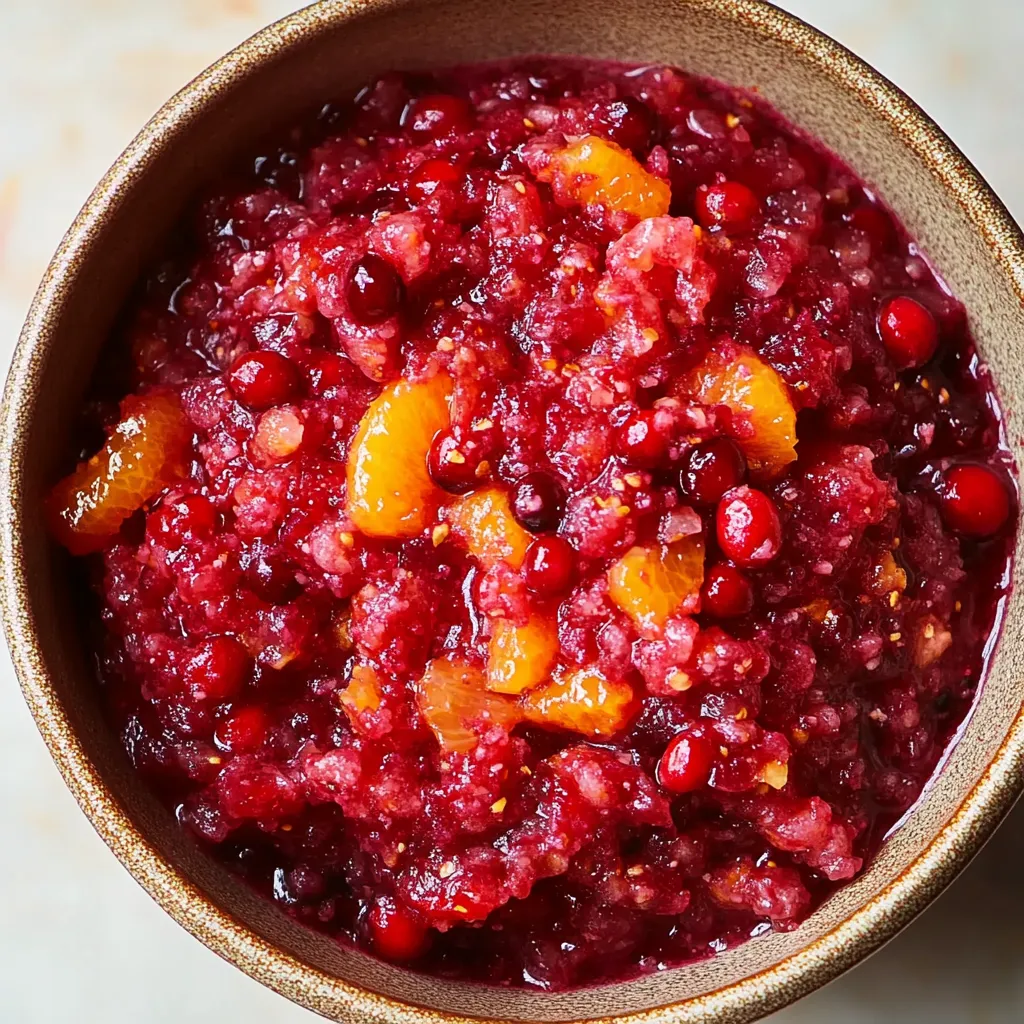
Effortless Cranberry Relish: Fresh Flavors That Beat the Can
Forget the wobbly, gelatinous log from a can. When it comes to homemade cranberry relish, you’re not just making a side dish; you're crafting a vibrant symphony of sweet and tart flavors, bursting with freshness. This isn't just for holiday tables; a truly delightful cranberry relish can elevate everyday meals, from roasted chicken to a simple sandwich. It’s an easy-to-master culinary gem that consistently outperforms its canned counterpart, offering a superior taste, texture, and visual appeal.
Imagine a jewel-toned masterpiece, with a delightful interplay of textures and a zesty aroma that hints at the natural goodness within. This is the promise of fresh cranberry relish—a promise that’s surprisingly simple to fulfill, often requiring minimal cooking and hands-on time, making it the perfect make-ahead companion for any festive occasion or a delightful addition to your weeknight repertoire.
Why Fresh Cranberry Relish Reigns Supreme Over the Canned Version
The distinction between homemade and canned cranberry relish is akin to comparing a freshly squeezed orange juice with one made from concentrate. While the convenience of canned might be tempting, the advantages of making your own are undeniable and profoundly impactful on your dining experience.
- Unmatched Flavor Profile: Canned cranberry sauce often relies heavily on sugar, creating an overwhelmingly sweet and one-dimensional taste. Fresh cranberry relish, however, celebrates the natural sweet-tart balance of cranberries. When combined with citrus, a hint of spice, or even a touch of liqueur, the flavors become complex, bright, and invigorating. You taste the actual fruit, not just the sugar it's swimming in.
- Superior Texture: The smooth, often unnervingly uniform texture of canned cranberry jelly offers little excitement. Homemade relish, whether finely chopped or coarsely pulsed, provides a delightful chewiness and bursts of juicy freshness with every bite. The natural integrity of the cranberries is preserved, creating a more satisfying mouthfeel.
- Control Over Ingredients: Making your own relish grants you complete control over what goes in it. You can adjust the sugar content to your preference, ensuring it's never too sweet or too tart. You can also experiment with organic ingredients, specific types of oranges, or even introduce unique elements like fresh ginger, different juices, or a splash of Grand Marnier for an elevated touch, making it truly your own.
- Stunning Visual Appeal: There’s no denying the beauty of a homemade cranberry relish. Its rich, ruby-red hue, often flecked with bright orange zest and perhaps a few whole cranberries, adds a pop of vibrant color to any plate. It looks homemade, artisanal, and incredibly appealing—a far cry from the uniform, often pale, canned alternative.
- Versatility Beyond Holidays: While a holiday staple, fresh cranberry relish is far more versatile. It pairs wonderfully with roasted chicken or pork, enhances a cheese board, adds a zing to turkey sandwiches, or can even be swirled into yogurt. Its dynamic flavor profile makes it a welcome addition to many culinary contexts.
The Essential Ingredients for a Stellar Cranberry Relish
Crafting a memorable cranberry relish begins with selecting quality ingredients. Each component plays a vital role in achieving that perfect balance of flavor and texture that truly sets homemade apart.
- Fresh Cranberries: This is non-negotiable. Frozen cranberries can work in a pinch, but fresh berries offer the best texture and vibrant flavor. Look for firm, plump berries without blemishes. Their natural pectin is crucial for the relish's eventual slight thickening.
- Sweetener (Sugar is Key): Granulated sugar is the standard, but the amount is highly customizable. Start with a conservative amount, typically ¾ cup per 12-ounce bag of cranberries, and adjust to taste after chilling. Some bags of cranberries are naturally more tart than others. For those looking for alternatives, a portion of the sugar can be swapped for maple syrup or honey, though this may slightly alter the final flavor and consistency.
- Citrus (The Whole Orange is Your Friend): An orange is not just for juice here; the peel is where much of the magic happens. Using a whole, quartered orange (seeds removed) in the food processor allows its essential oils from the zest to infuse the relish with an incredibly bright, aromatic, and zesty flavor. Clementines or mandarin oranges work beautifully for their thin skins and inherent sweetness.
- Liquid & Flavor Enhancers (Optional but Recommended): While the cranberries and orange release their own juices, a splash of additional liquid can further enhance the relish.
- Orange Juice: Reinforces the citrus notes.
- Cranberry Juice or Apple Cider: Adds depth and natural sweetness.
- Grand Marnier or other Orange Liqueur: For an adult-friendly, elevated version, a dash of orange liqueur like Grand Marnier can impart a sophisticated, alcohol-forward flavor. If you prefer a less boozy option, substitute half the liqueur with orange juice, or omit it entirely.
- Fresh Ginger: A small knob of peeled, fresh ginger adds a delightful, warming spice that perfectly complements the cranberries and orange.
Mastering the Art of Effortless Cranberry Relish: A Step-by-Step Guide
Creating your own perfect cranberry relish is incredibly straightforward, relying more on technique and patience than complex cooking. The beauty of this recipe lies in its simplicity and the ability to prepare it well in advance.
Step 1: The Blanching Advantage (Optional, but Recommended for Optimal Texture)
While many relish recipes skip this, blanching fresh cranberries for a brief moment can make a significant difference. Submerge cranberries in a large pot of boiling water for about 2 minutes, listening for subtle "pops." This quick heat treatment helps to soften the cranberries slightly, mellowing their sharp tartness and improving their texture so they're not too firm in the finished relish. Crucially, it encourages the berries to release some of their natural pectin, which contributes to a slightly thicker, more cohesive relish as it chills. Immediately drain and transfer them to an ice bath to stop the cooking process, then drain thoroughly again. If you prefer a completely raw, super-crisp texture, you can skip this step, but blanching offers a smoother, more balanced result.
Step 2: Prepare Your Citrus
Wash a medium-sized orange thoroughly. Quarter it and remove any seeds. There's no need to peel it! The zest contains essential oils that are crucial for the vibrant orange flavor and aroma. Using the whole orange minimizes waste and maximizes flavor extraction.
Step 3: The Pulsing Perfection
Combine the blanched (or raw) cranberries, quartered orange, and ¾ cup of sugar in a food processor. This is where precision matters. Pulse in short bursts, scraping down the sides as needed. The goal is a chunky relish, not a smooth puree. You want finely chopped pieces, distinct textures, and vibrant flecks of orange zest, not a homogeneous paste. Over-processing will turn your relish into a sauce, losing that satisfying textural contrast. For an extra touch of visual appeal and varied texture, you can reserve a handful of whole cranberries to fold in at the very end.
Step 4: Taste, Adjust, and Enhance
After initial processing, taste a small amount of your relish. Cranberry tartness can vary, so this is your chance to adjust the sweetness. If it's too tart, add sugar by the tablespoon, pulsing briefly after each addition until you reach your desired sweetness. This is also the time to incorporate any optional flavor enhancers: a dash of Grand Marnier, a teaspoon of grated fresh ginger, or an extra splash of orange or cranberry juice to achieve your perfect flavor profile. Remember, flavors will meld and often mellow slightly as it chills.
Step 5: The Magic of Chilling
Transfer your freshly prepared cranberry relish to an airtight container and refrigerate. While delicious immediately, this relish truly transforms with time. Allow it to chill for at least 24 hours for the flavors to fully meld and deepen. Many chefs, like Uncle Brian, swear it only gets better with an extra day or two in the fridge. This makes it an ideal make-ahead dish for busy holidays, as it can be prepared 1-3 days in advance, freeing up valuable kitchen time on the big day.
Conclusion
Stepping away from the canned aisle and embracing homemade cranberry relish is a decision you won't regret. It's a simple yet incredibly rewarding culinary endeavor that brings unparalleled freshness, vibrant flavor, and beautiful texture to any meal. From a festive holiday feast to a humble weeknight dinner, this effortless relish is more than just a condiment; it's a testament to the fact that sometimes, the simplest, freshest ingredients, prepared with a little care, can yield the most extraordinary results. So, gather your cranberries, embrace the zest of an orange, and prepare to elevate your plate with a relish that truly beats the can.
